
Contents
Overview
Youth mentorship programs are designed to provide young individuals with positive role models, guidance, and support to help them navigate life's challenges and achieve their full potential. These programs have been shown to have a significant impact on the lives of youth, improving their academic performance, social skills, and emotional well-being. Organizations such as Big Brothers Big Sisters, Boys and Girls Clubs of America, and the YMCA offer a range of mentorship programs, from one-on-one mentoring to group mentoring and peer mentoring.
Origins & History
Youth mentorship programs have a rich history, dating back to ancient Greece, where philosophers such as Aristotle and Plato mentored young students. Today, youth mentorship programs can be found in communities around the world, with organizations such as UNICEF and the World Health Organization supporting mentorship initiatives. For example, Big Brothers Big Sisters has been providing one-on-one mentoring to youth for over 100 years, with a focus on creating positive relationships between mentors and mentees.
How It Works
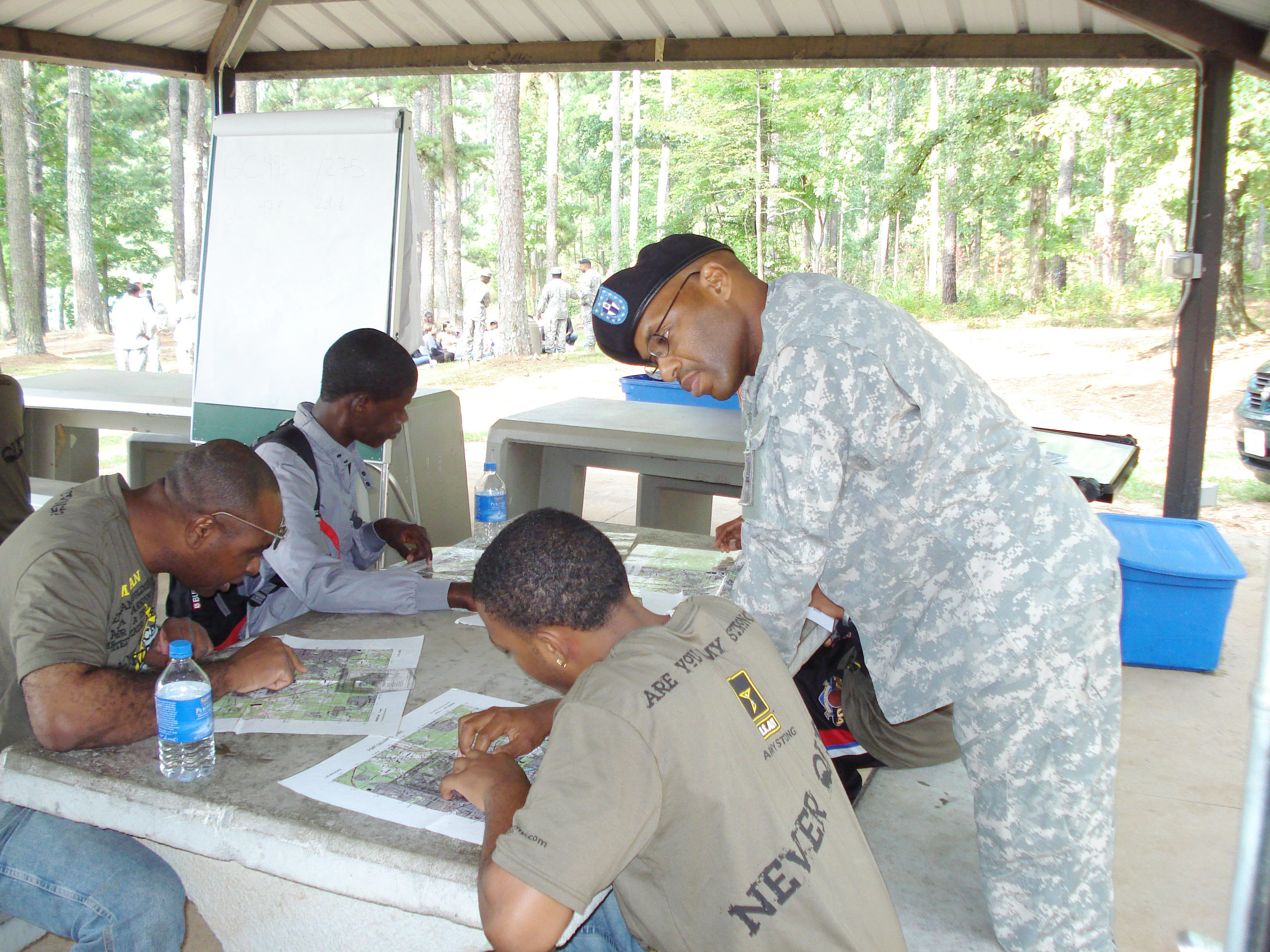
Youth mentorship programs typically involve pairing a young individual with a trained mentor, who provides guidance, support, and encouragement. Mentors may be volunteers, professionals, or peers, and may work with mentees in a one-on-one or group setting. Programs may focus on specific areas, such as academic achievement, career development, or social skills, and may incorporate activities such as tutoring, mentoring, and community service.
Key Facts & Numbers
Youth mentorship programs can incorporate elements of popular culture, such as music and art, into their mentorship activities. Mentorship programs have been featured in various forms of media, including films and television shows, highlighting the importance of mentorship in the lives of young people. The National Mentoring Partnership has launched the Mentoring Works program to promote mentorship programs and provide resources and support to mentors and mentees.
Key People & Organizations
Key people and organizations involved in youth mentorship programs include Big Brothers Big Sisters, Boys and Girls Clubs of America, and the YMCA. These organizations have been instrumental in providing mentorship opportunities to youth, and have helped to establish mentorship as a vital component of youth development. Additionally, individuals such as Michelle Obama and Barack Obama have been vocal supporters of mentorship programs, and have worked to promote the importance of mentorship in the lives of young people. For example, the Obama Foundation has launched several initiatives aimed at supporting mentorship programs and promoting youth development.
Cultural Impact & Influence
Youth mentorship programs have had a significant cultural impact, with many programs incorporating elements of popular culture into their mentorship activities. Youth mentorship programs can help to promote positive relationships between youth and adults, and can provide young people with the support and guidance they need to succeed.
Current State & Latest Developments
Currently, youth mentorship programs are facing a number of challenges. Despite these challenges, many organizations are working to expand and improve mentorship programs, and to provide more young people with access to mentorship opportunities.
Controversies & Debates
One of the controversies surrounding youth mentorship programs is the issue of mentor training and support. Some critics argue that mentors are not adequately trained or supported, which can lead to ineffective or even harmful mentorship relationships. Additionally, there is debate about the best approach to mentorship, with some arguing that one-on-one mentoring is more effective, while others argue that group mentoring or peer mentoring may be more beneficial.
Future Outlook & Predictions
Looking to the future, youth mentorship programs are likely to continue to play an important role in the lives of young people. With the increasing recognition of the importance of mentorship, it is likely that more organizations and individuals will become involved in providing mentorship opportunities to youth.
Practical Applications
Youth mentorship programs have a number of practical applications, including improving academic achievement, promoting social skills, and supporting emotional well-being. Additionally, mentorship programs can provide young people with valuable work experience and career guidance, helping them to make informed decisions about their future.
Key Facts
- Category
- education
- Type
- concept